Regularly review your profit and loss statements, balance sheets, and cash flow statements to understand your business’s financial health. Handling refunds, returns, and omnichannel operations presents additional challenges in e-commerce accounting. Businesses need to navigate various sales channels and efficiently handle returns and refunds to maintain customer satisfaction and financial stability. Regularly reconcile your accounts, review your financial statements, and ensure everything is in shipshape.
Accounting for Amazon Sellers: The Keys to Profitability
It’s okay to use a local accountant who works for all kinds of businesses in your hometown. When you work as a full-time employee, taxes are deducted from every paycheck. Compare your bank statements regularly with your recorded transactions.
Step #1: Track all of your business expenses (money going out).
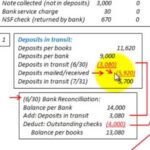
When you set up inventory accounting properly and keep an up-to-date balance sheet, you can make decisions based on the data instead of going off intuition. You will also have the data available to back up requests to suppliers for preferential pricing or terms on future purchases. You can run a reconciliation report to see if there are any inconsistencies between bank and credit card statements and what is showing up in Xero.
How to start a home-based recording studio
You get insights into your sales trends, cash flow, and overall business performance. Armed with this knowledge, you can steer your ship towards success with confidence. What are the best practices for eCommerce inventory management? This way they can help not only file your taxes, but also set up the necessary goals, objectives, systems, and provide proactive insights to key tax-savings strategies. Even if it is only 5% of your total sales, having a Shopify store and/or selling on additional channels diversifies your revenue streams. Here are some initial questions to ask when you are evaluating various accessible accounting software choices.
The inaccurate recording of COGS and inventory is more detrimental as your business grows. You will get lost on how your business is truly performing, and the value of your assets will be inaccurate. As already mentioned, these problems become serious when trying to get investors, loans, or when selling your business. It may be reflective of the way cash is moving through your business, but it does not accurately reflect the performance and profitability of your business. In addition, this method will show your inventory balance as zero. Cash basis accounting tracks transactions when cash changes hands, while accrual basis accounting records them when the transaction occurs.
Tracking Key Metrics in Your Business 7 Examples of KPIs for SaaS Entrepreneurs
When you sell in multiple states, you need to account for different sales tax requirements as well. While accounting software can help you keep sales tax up to date in your books, knowing which documents each state will require at tax time is beyond the scope of a spreadsheet. You’ll need to know the basics of sales tax liability in every state where you do business. The problem with cash basis accounting is you may buy inventory weeks or months before you sell it, and then you don’t get paid for it until two weeks or more after it’s sold and shipped. Popular software that is available in this industry includes Quickbooks, Xero, MYOB, and Zoho Books. You’ll save yourself many headaches by starting off with a cloud accounting service, rather than trying to do everything manually.
- With the ability to collect and correlate data from multiple sources, sellers are better prepared to manage financial records and ensure compliance with provincial and federal tax regulations.
- This aspect of e-commerce accounting reflects the diverse nature of online selling.
- While this can be done after the fact, having it already broken out saves the time and gives you a month to month view of how much your business might sell for if you put it on the market.
It’s an essential indicator of how much you’re actually earning from your sales, helping you understand if you’re pricing your products correctly and if your sales are truly profitable. Organize your financial records effectively for tax purposes. Securely store digital records in cloud-based storage solutions, such as Dropbox or Google Drive.
For this reason, it’s tempting to put off registering a company and paying taxes in the early days. This is the amount of revenue after COGs and expenses, directly related to your primary product. Regular financial reviews are essential for timely decision-making and identifying trends.
If you take what you made total and subtract any refunds that you issued for returns, net sales revenue is what your business takes away after those returns. Should you decide it’s too much to deal with your business accounting yourself, you could hire an accountant to manage it for you if your budget allows it. In business, accounts receivable refers to the money customers or other parties additional detail on present and future values owe you. On the flip side, accounts payable is money you owe to suppliers and other vendors. With 6-figure sales, it’s safe to still work with a general accountant, especially if you’re happy with the accountant you’ve been using up to this point as your business has grown. Unless you happen to have studied accounting at an undergrad or postgrad level, you are not cut out for this job.
But neither month is really a good reflection of what is happening. Once you’ve hit the 7-figure annual mark, there are more financial considerations in addition to the ones outlined above. You’ll still need to comply with taxes, reporting, and hiring practices, but there’s more to manage at this level. If your current accountant is not working well for you, it may be time to look for a new one.
This metric helps you identify which areas of your business are performing well and which need improvement, allowing you to allocate resources and focus to maximize profitability. Having your accounts in order is a lifesaver if you get audited. Bookkeeping is like the meticulous note-taker, recording every transaction and keeping your financial records organized.
Compliance helps avoid legal issues and maintains your business’s reputation. Keeping track of your average inventory levels helps in maintaining the right balance of stock. Too much inventory can tie up capital and increase holding costs, while too little can lead to stockouts and lost sales. If seller’s net sheets you use FBA, you need to track those costs and performance. Establish a robust reporting structure for financial matrices. Define key performance indicators (KPIs) relevant to your business, allowing for a clear understanding of financial performance and facilitating strategic decision-making.
These would be things like meals, travel, continuing education, consulting, product samples, and any one-time costs. If you’re still tracking your finances manually through spreadsheets, you are setting yourself up for mistakes. These can be easily avoided if you use cloud accounting software like Xero. A good accountant will advise and guide you toward strategic growth.
Neglecting this aspect can result in overlooked financial issues or missed opportunities. Consistent analysis of financial reports enables net working capital definition proactive management and strategic planning. Keep up with the latest laws and regulations related to online selling and tax.
She holds a Bachelor’s degree from UCLA and has served on the Board of the National Association of Women Business Owners. She also regularly writes about business for various consumer publications. In our experience, many eCommerce business owners place too much emphasis on revenue and not enough focus on cash… For the last five years, we’ve managed the books for and assisted eCommerce entrepreneurs. A good eCommerce accountant can help you navigate all of the new financial considerations that come with operating a 7-figure business. Did you know there are over 1.3 million accountants in the U.S alone as of 2020?